
History
The TransForm™ procedure is a logical evolution of existing science. TransForm lenticules go through a special process to ensure two years of shelf-stability. These allograft inlays using human tissue, via ethical tissue sourcing.
History of the procedurre
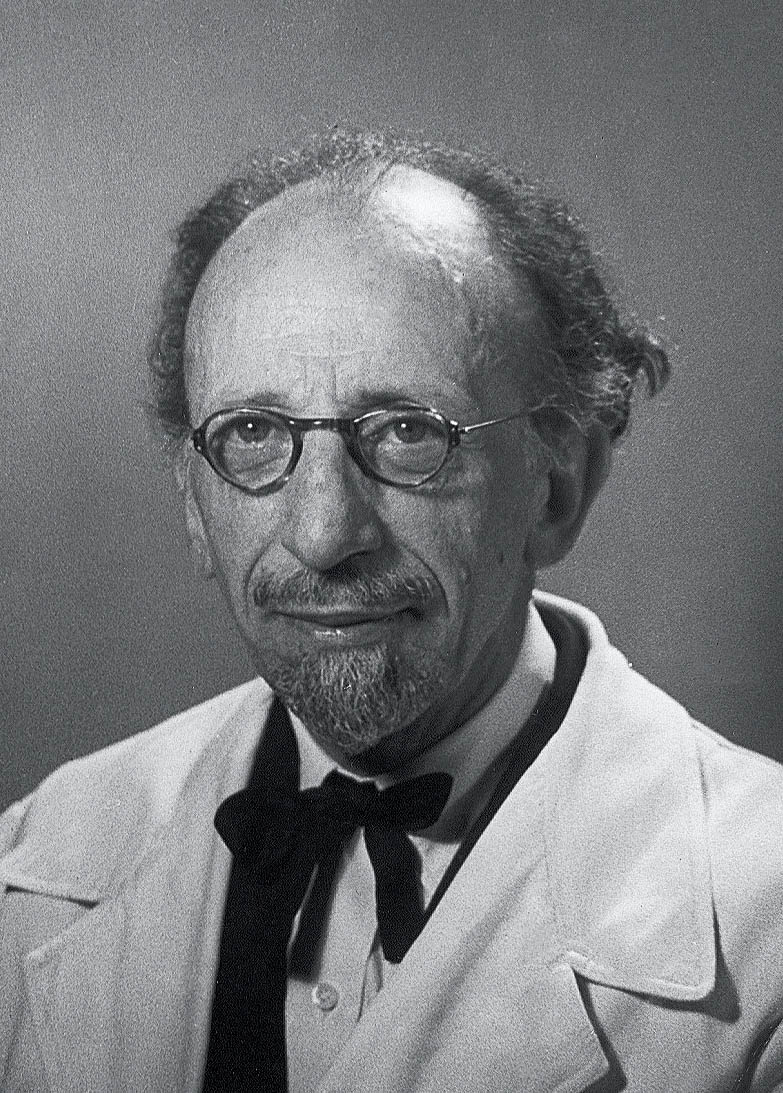
1949
Dr. Barraquer spearheads using human tissue to change refractive surface. However, there was a technology issue related to the cut and measurement accuracy
1986
Allergan gives it a go, but runs into same issues of accuracy

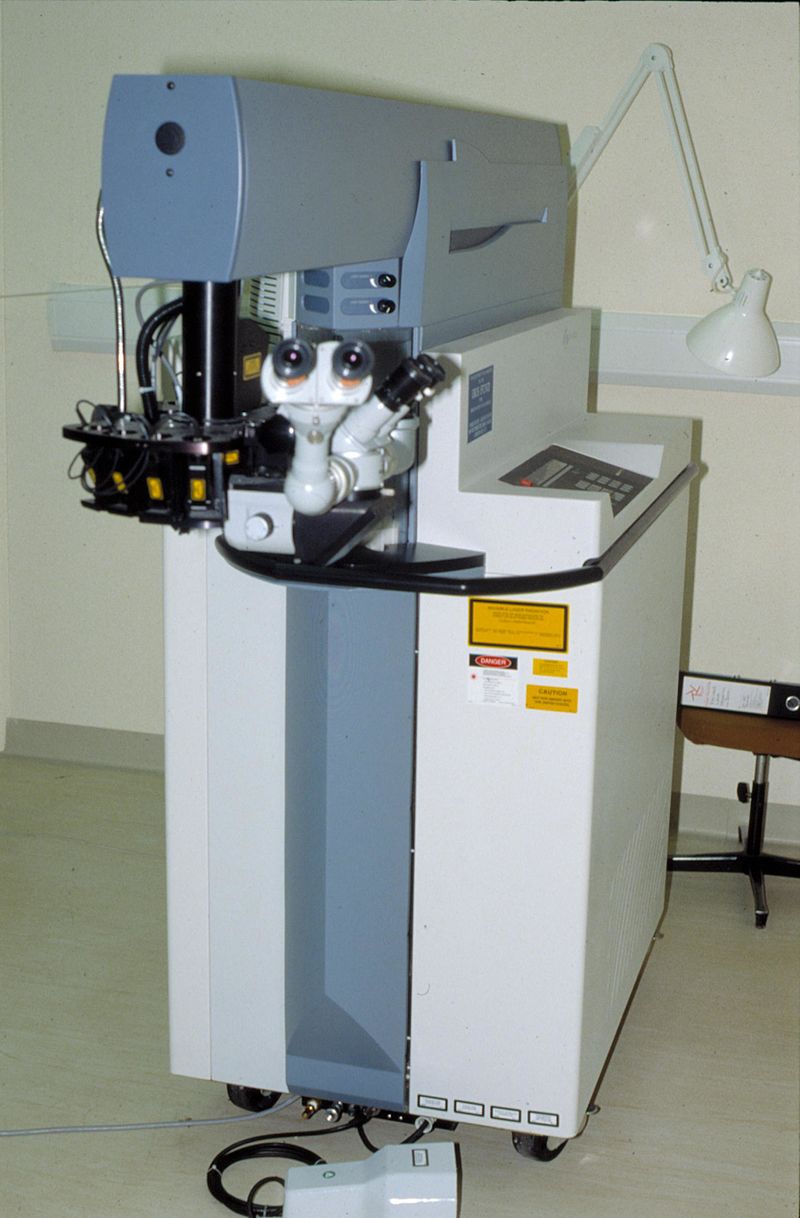
Late 1990s
With the approval of the Excimer laser, focus of refractive surgeons shifts to laser vision correction
Late 1990s
Synthetic Corneal Inlays for presbyopia bring new focus to inlays. OCT provides measurement accuracy, and patient and MD excitement grows
N.B.: Synthetic Corneal Inlays are no longer available on the market due to recalls issued by safety Authorities
2000s
VisionGift provides sterile corneas that are shelf-life stable for two years

2016
Allotex introduces an innovative tissue addition technology thanks to the unique combination of Excimer laser + OCT + shelf-stable sterile cornea

Originally described in the early 1950s with more advanced work done in the 1980s, epikeratophakia is a form of refractive surgery where corneal tissue is lathed to an attempted specific dioptric power and sutured on top of the recipient’s cornea after the epithelium had been removed. Epikeratophakia was performed most extensively in the 1980’s and has not been routinely used in the interim due the following limitations:
- Predictability of refractive power due to the problems with cryolathing preserved corneal tissue
- Difficulty of the preparing the lenticules
- Structural damage to the tissue during the required freezing and lathing process
- The thickness of the corneal lenticules increased the risk of epithelium ingrowth and poor re-epithelialization
Problems with the cryolathing process were later addressed by substituting an excimer laser for the corneal lathe removing the requirement for freezing the corneal tissue.
More recently, several non-allogenic corneal inlays have been developed to improve near vision in presbyopic adults. One is constructed of a single piece of Polyvinylidene Fluoride formulated with carbon black pigment. Another is a hydrogel corneal inlay designed to be implanted permanently under a femtosecond-laser-created corneal flap onto the stromal bed of the cornea and centered over a light-constricted pupil.
The Allotex TransForm lenticule addresses the historical limitations of epikeratophakia as well as corneal inlays as follows:
- Problems related to power and induction of astigmatism are mitigated by use of an excimer laser system for shaping the TransForm lenticule
- Currently available shaping techniques will allow for creation of TransForm lenticule that are significantly thinner than those used for epikeratophakia which will reduce the risk of epithelium ingrowth and problems with re-epithelialization
- Due to the significant development and advancement in the technologies that will be used to shape the TransForm lenticule, a variety of refractive treatments will be possible including for hyperopia and presbyopia
- Since the TransForm lenticule is acellular, sterile tissue donor is not likely to be rejected
- The procedure is easily reversible with the TransForm lenticule being removed in a minimally invasive procedure